



Reading Your Old Journals: What the Past You Knew
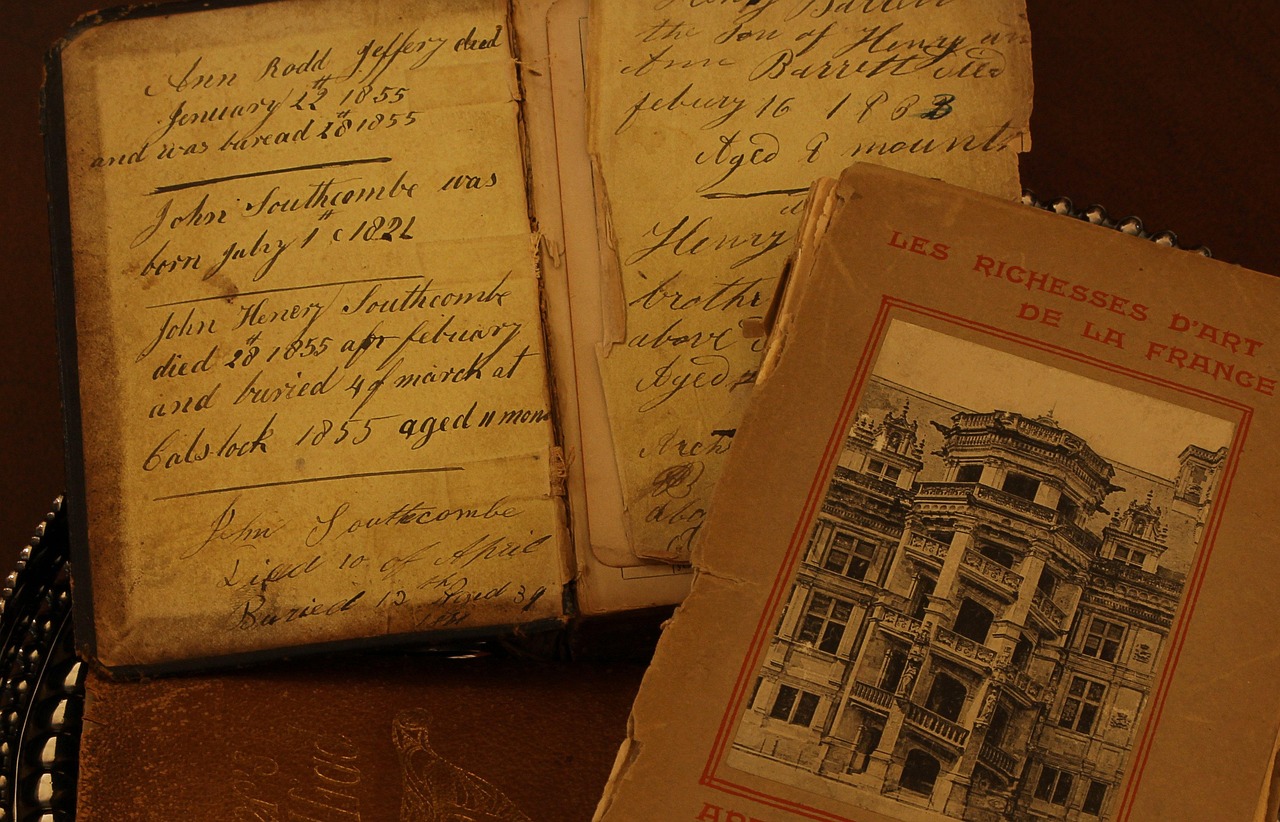
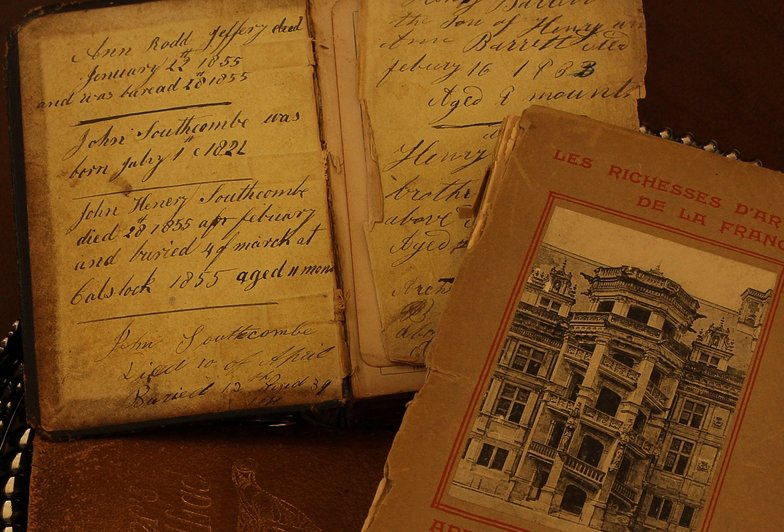
Most of us write in our journals and never look back. The entries pile up, and the notebooks go on a shelf or into a box, unread. But there is a practice that many journalers overlook, and it can be one of the most quietly powerful things you do: reading your old entries on purpose.
The first time you do this, it can be uncomfortable. You may cringe at how dramatic you were, or how certain you were about something that turned out to be wrong. You may feel a rush of sadness for a version of yourself who was struggling with something that now seems small, or who did not yet know what was coming. All of these reactions are welcome. They are part of the practice.
What makes reading old journals valuable is that it gives you a perspective you cannot get any other way. In the moment, we are inside our lives, unable to see the shape of them. Looking back, patterns emerge. You notice that the same fear showed up in three different situations. You notice that the thing you were so worried about resolved itself, or did not, and that you survived either way. You notice how much you have changed, and also how much you have stayed the same.
What to Look For When You Read Back
You do not need to read every word. Skim. Let your eye land on what it lands on. Notice what you were preoccupied with a year ago, or five years ago. Notice the language you used. Were you kinder to yourself then, or harsher? What did you want? What did you fear? What did you hope for?
Pay attention to the things you got right that you did not give yourself credit for. We tend to remember our mistakes and forget our quiet courage. Your old entries may remind you of a time you handled something better than you thought. They may remind you of a time you asked for help, or set a boundary, or walked away from something that was not good for you.
Also notice the things you were wrong about. This is not a reason to judge your past self. It is a reminder that certainty is often temporary, and that the things you are certain about now may also shift. That awareness can soften you. It can make you more patient with others who are where you used to be.
Making It a Gentle Ritual
Reading old journals is not something to do when you are already feeling fragile. Save it for a day when you have some steadiness. Make a cup of tea. Sit somewhere comfortable. Give yourself permission to stop if it becomes too much. You can always come back another time.
You might also write a response to your past self. Not to correct them, but to acknowledge them. "I see what you were going through. I wish I could have told you it would be okay, or that it would not, but that you would keep going anyway." This kind of writing can be surprisingly healing, especially if the past you was going through something difficult.
Over time, this practice builds a longer view of your life. You start to see yourself not as a fixed person who keeps making the same mistakes, but as someone in motion, learning, adjusting, growing. The journal becomes not just a place to put your thoughts, but a record of who you have been, and a reminder that you are always, quietly, becoming someone new.





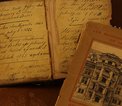

Going back through old entries is not nostalgia; it is a conversation with a version of yourself who was figuring things out.
A slow, Sunday-evening journaling practice that helps you close one week and enter the next with intention.
When life shifts under your feet, a journal can be a steady place to stand while you find your footing again.
A gentle body-based journaling practice for when your mind is loud but your shoulders have the real story.
Why the most useful journal is often the ugliest one — and how to give yourself permission to write badly on purpose.