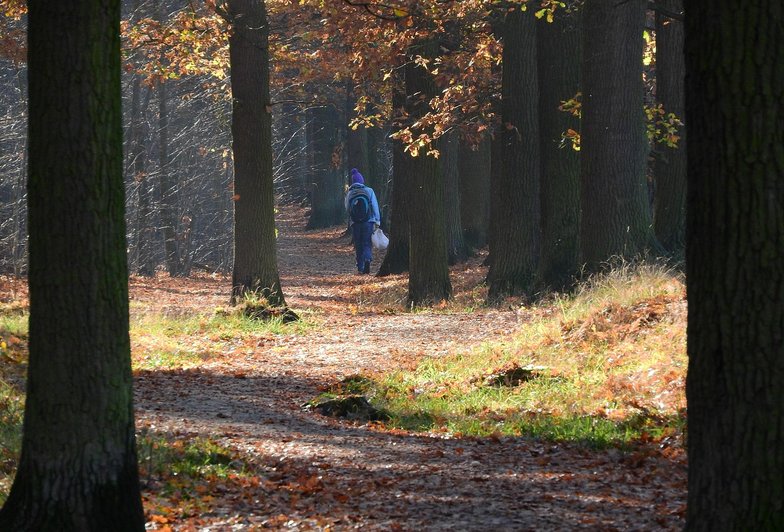






Journaling Through Change: Making Sense of Seasons You Didn't Choose
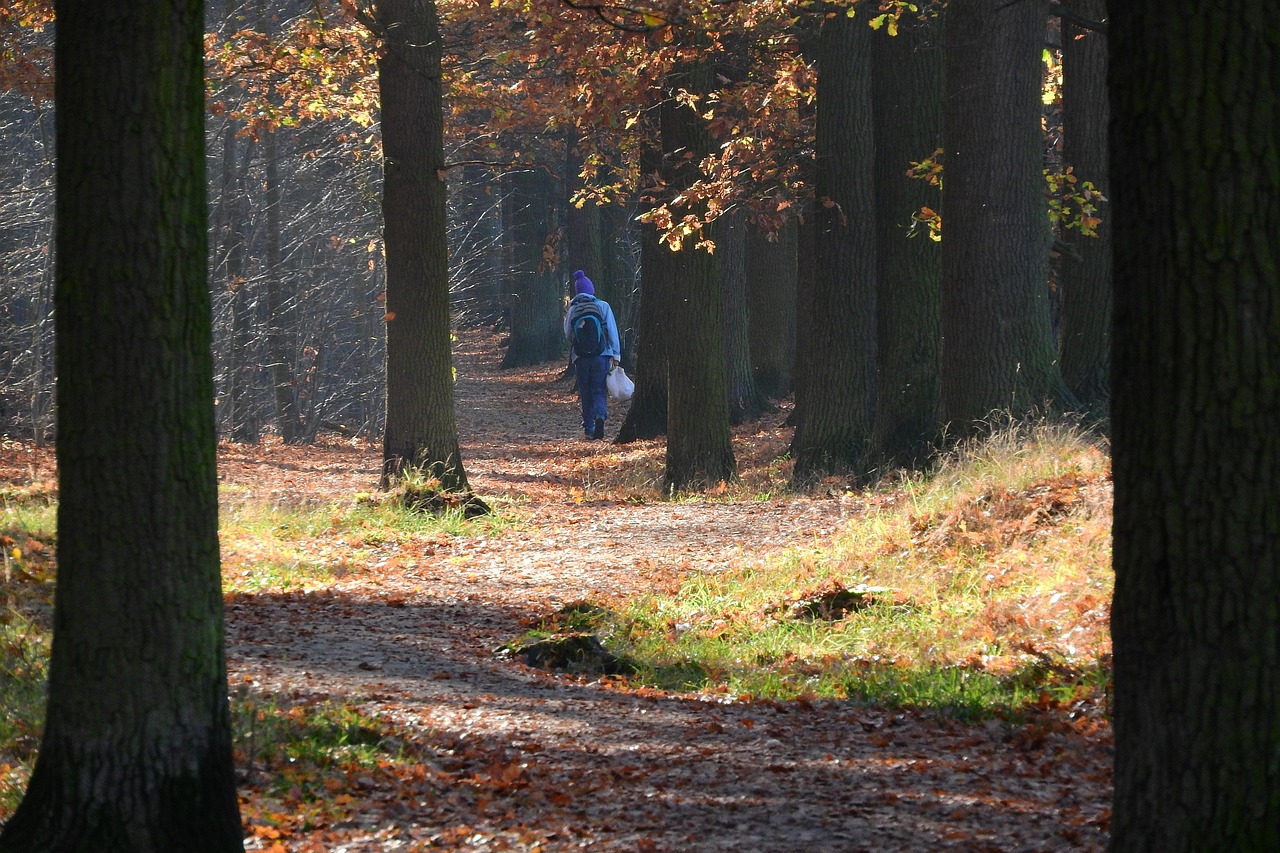
Change rarely arrives with a welcome mat. Sometimes it is a move, a job ending, a relationship shifting shape, a body that no longer behaves the way it used to. Even good changes — a new baby, a new city — can leave us disoriented, grieving something we didn't know we would miss. In those in-between seasons, a journal becomes less a diary and more a place to stand while the ground reorganizes itself.
I have noticed that people often stop writing precisely when writing would help most. The blank page feels like it demands answers, and during change we have none. But a journal does not need answers. It needs honesty. The page can hold confusion without trying to fix it, which is something most of our conversations cannot do.
Writing the Muddy Middle
Transitions have a shape: an ending, a middle, a beginning. The middle is the hard part — the part with no map. Here are a few prompts that help me stay in it rather than rush through it.
What has actually ended? Name it plainly. We often skip this step because endings are uncomfortable, but unnamed endings tend to haunt us. Writing them down gives them a place to rest.
What is still true? Underneath the change, some things remain: people who love you, skills you carry, values you keep returning to. Listing them is not toxic positivity; it is a foundation check.
What am I afraid of? Say the fear out loud on paper. Fears written down are usually smaller than fears circling in the dark. And sometimes they point to what we actually care about.
What is asking for my attention right now? Not next year — right now. A walk, a nap, a phone call, a boundary. Change makes us want to solve everything at once. The journal brings us back to the next small thing.
Letting the Journal Be a Witness, Not a Judge
There is a version of journaling that turns into self-criticism — pages of why did I do that and I should have known better. That version rarely helps. During change, your journal's most valuable role is witness: someone who sits with you and says, I see that this is hard, and I see that you are still here.
Try writing in the second person sometimes. You are allowed to not know yet. You are doing better than you think. It feels strange at first, then surprisingly kind. We speak to ourselves far more harshly than we would ever speak to a friend in the same situation.
You might also date your entries and, once a month, read back a few. Change is invisible from inside it. Only by looking back do you notice that the thing you were terrified of in March has become ordinary by June. That quiet evidence — your own words — is one of the most reassuring things a journal can give you.
You do not have to make sense of the season you are in. You only have to keep showing up to the page, a few minutes at a time, until the season makes sense on its own. Write one honest sentence today. That is enough to begin.







When life shifts under your feet, a journal can be a steady place to stand while you find your footing again.
A gentle body-based journaling practice for when your mind is loud but your shoulders have the real story.
Why the most useful journal is often the ugliest one — and how to give yourself permission to write badly on purpose.
You don't need a hundred prompts — you need one good question, asked honestly and often.
You do not need an hour of silence to begin your day with intention; you only need five honest minutes and a pen.